- Developer
- SUD Inc.
- Installs
- 100K+
- Downloads
- 1
- Views
- 9
- Updated
- Oct 17, 2026
Screenshots
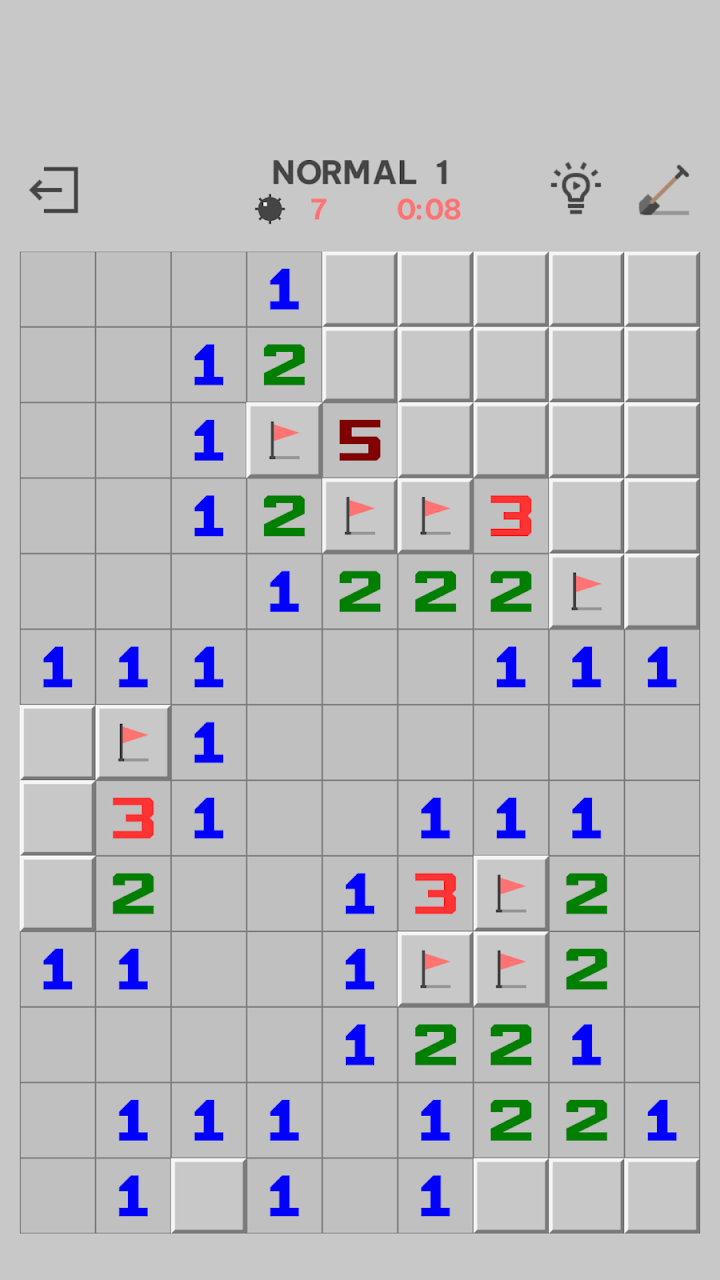
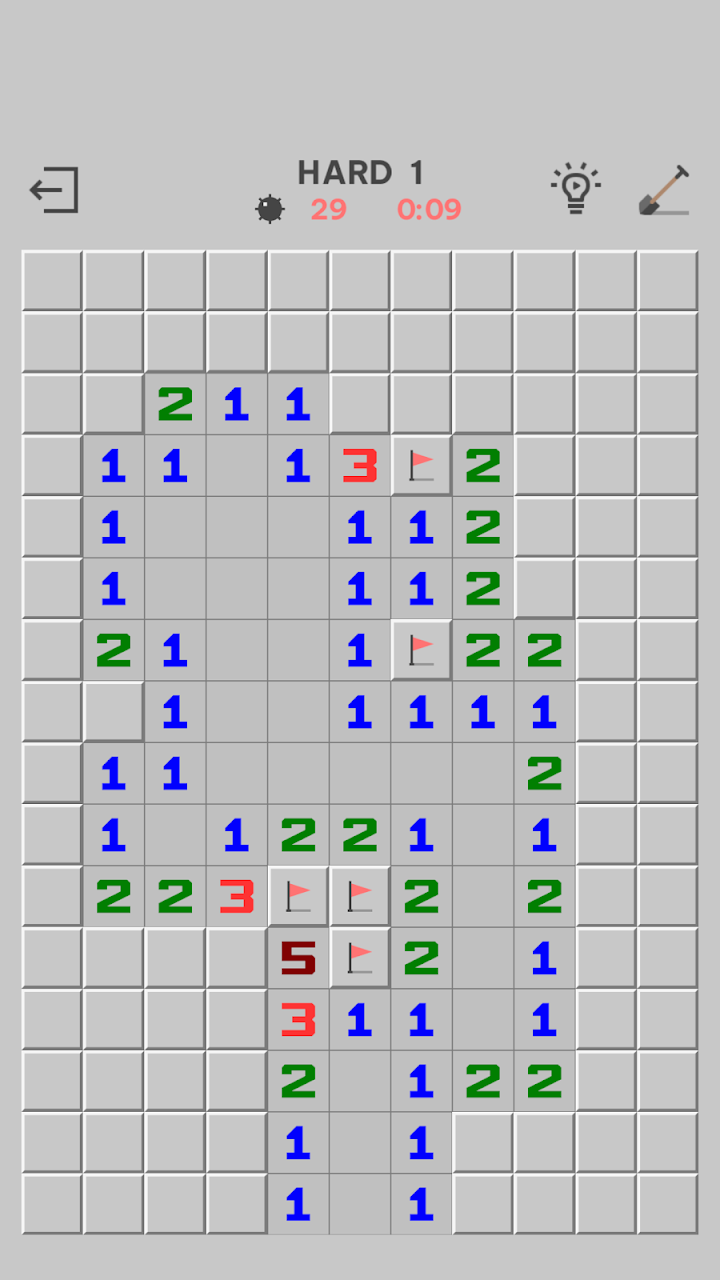
About Dr. Minesweeper
Few puzzle games feel as tense as a single click on a Minesweeper board. One cell can reveal a helpful number, or it can end your game in an instant. Minesweeper has been a favorite for decades, and it still works as a great brain exercise today. This guide explains the rules, shows how to read the numbers, and shares simple strategies that can help you clear more boards.
What Is Minesweeper?
Minesweeper is a single-player puzzle game where you clear a rectangular board without setting off hidden mines. Each cell on the board may hide a mine, and your only help comes from number clues about nearby cells. The game's roots go back to the 1960s, and it has since appeared on many computing platforms, including mobile apps like the version published by SUD Inc.
Who Is Minesweeper For?
The game suits anyone who enjoys logic, patience, and careful thinking. It is easy to learn but can become very challenging as boards get bigger. Beginners can start with small boards, while experienced players can chase faster clear times on harder ones.
How Does Minesweeper Work?
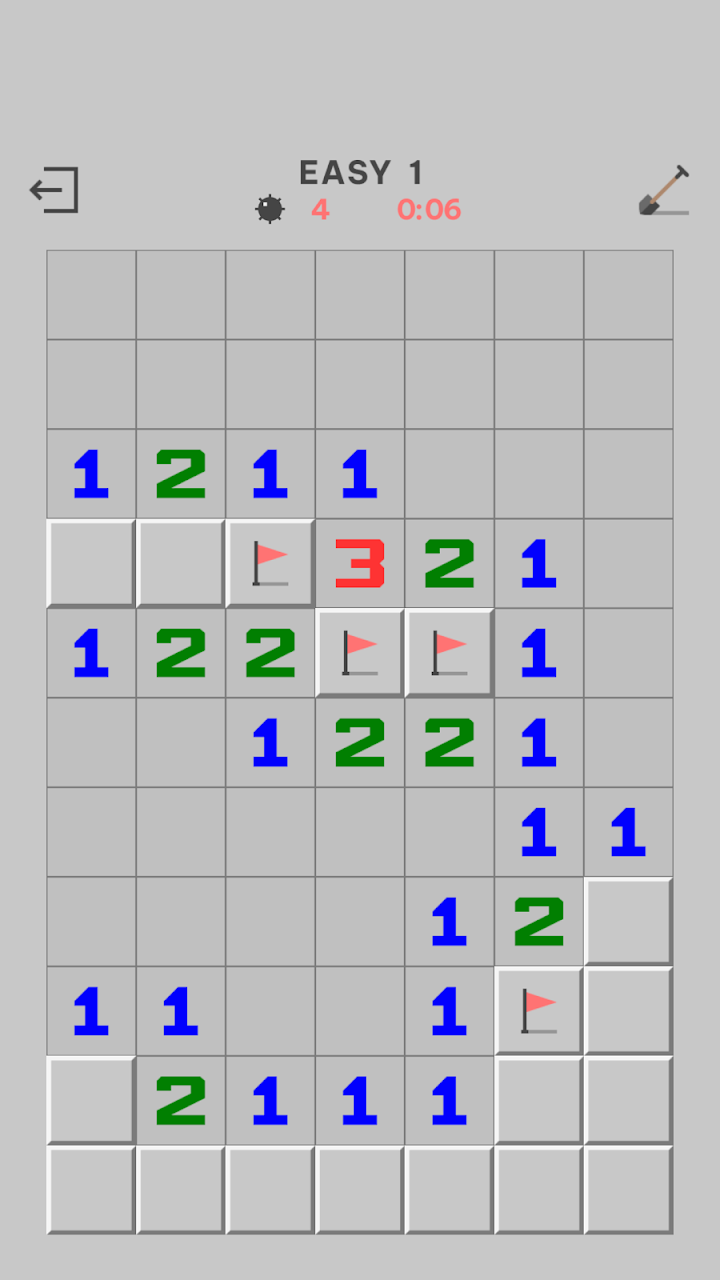
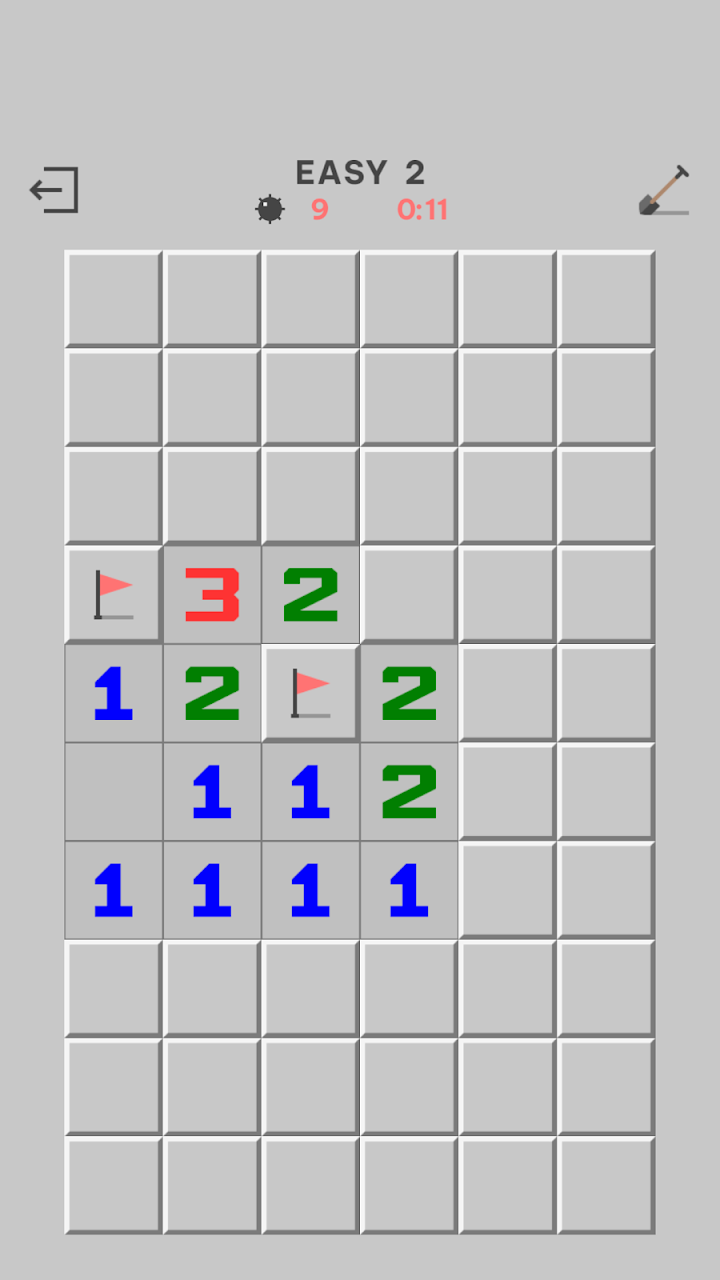
The board is divided into cells, and each cell can be in one of three states: unopened, opened, or flagged. An unopened cell is blank and can be tapped or clicked. An opened cell shows its contents, and a flagged cell is one you have marked because you think a mine is hiding there.
Understanding the Numbers
When you open a safe cell, it may show a number. That number tells you how many mines are in the cells touching it, including diagonals. For example, a "1" means exactly one of its neighboring cells hides a mine, while a "3" means three of them do.
Using Flags
Flags are your way of remembering where you think mines are. Placing a flag does not defuse anything, but it helps you avoid tapping the wrong cell later. Use them carefully, since a wrong flag can mislead your own reasoning.
How to Play Step by Step
- Start by opening a cell anywhere on the board.
- Look at any numbers that appear and what they say about nearby cells.
- Use logic to work out which unopened cells must be safe and which must be mines.
- Open the safe cells and flag the cells you are sure about.
- Repeat until every safe cell is opened without hitting a mine.
Quick tip: Never guess if you can avoid it. Minesweeper rewards logic, and a calm, step-by-step approach beats random clicking.
Beginner Strategies That Work
The best strategies come from simple number patterns. Start with areas that have the most information, such as cells next to low numbers. Small, careful deductions often open up the rest of the board.
Basic Number Logic
- If a number matches the count of unopened neighbors, every one of those neighbors is a mine.
- If a number already matches the flags around it, the other neighbors are safe to open.
- Corner cells have fewer neighbors, which makes them easier to analyze.
- Look at two touching numbers together, because their shared cells can reveal extra clues.
When You Must Guess
Sometimes the board does not give you enough information, and a guess is unavoidable. In that case, choose the cell that looks least likely to hold a mine, such as one far from large numbers. Try to guess as rarely as possible, since each guess adds risk.
Common Mistakes to Avoid
- Placing flags without being certain
- Ignoring diagonal neighbors when counting
- Rushing and clicking before thinking
- Guessing early when logic could still reveal more information
- Forgetting to recheck numbers after opening new cells
Variations and Offshoots
Minesweeper has inspired many variations over the years. Some change the board shape, some adjust the number of mines, and others add new rules or themes. Many players enjoy trying different versions to keep the game fresh, and apps often include several board sizes or difficulty levels.
Benefits of Playing Minesweeper
Minesweeper is more than a time-killer. It can sharpen your logical thinking, improve your focus, and teach you to make decisions with limited information. It is not a replacement for formal brain training, but it is a fun way to keep your mind active.
Pros and Cons
Pros
- Easy rules with deep strategy
- Quick games that fit into short breaks
- Great for improving logic and patience
- Available on many platforms
Cons
- Some boards require a lucky guess
- Can feel frustrating for beginners at first
- Repeating the same layout style may feel less varied over time
Frequently Asked Questions
What is the goal of Minesweeper?
The goal is to clear all safe cells on the board without opening any cell that hides a mine.
What do the numbers mean?
Each number shows how many mines are touching that cell, including diagonally. Use them to figure out which nearby cells are safe.
Is Minesweeper based on luck or skill?
It is mostly skill and logic, although some boards may require a guess at certain moments.
Is Minesweeper a new game?
No. According to the game's history, it has roots in the 1960s and has been adapted for many computing platforms since then.
Final Thoughts
Minesweeper remains a classic because its rules are simple but its challenge is real. By learning how to read the numbers, using flags wisely, and thinking before every move, you can clear boards with confidence. Start small, practice basic patterns, and enjoy the satisfaction of a perfectly solved board.